
How RFID Wristbands Increase Revenue and Guest Satisfaction at Resorts
- atlasgrace40
- May 28
- 3 min read

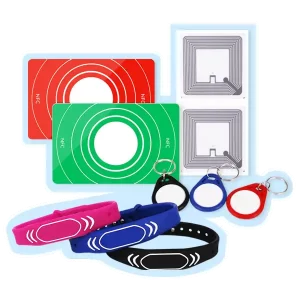
Resort operators are constantly looking for ways to increase guest spending, reduce operational friction, and create memorable experiences that drive repeat bookings and positive reviews. RFID wristbands have emerged as one of the most effective tools for achieving all three simultaneously, transforming the relationship between the resort and its guests in ways that benefit both sides of the transaction.
The Cashless Resort Experience Guests Prefer
Research consistently shows that removing payment friction increases consumer spending. When a guest does not need to return to their room for their wallet, search for the right denomination of cash, or wait for a card transaction to process, impulse purchases happen more naturally and more frequently. A guest relaxing by the pool who decides they want another drink will act on that impulse immediately if payment requires only a wrist tap at the poolside bar. The same guest may not bother if obtaining a beverage requires a trip back to the room.
Resort operators report meaningful increases in food and beverage revenue after implementing RFID cashless payment systems. The frictionless transaction model encourages spontaneous spending at every point in the resort where payment is possible, from beach bars and restaurants to spa treatments and activity bookings.
Access Management Across Complex Resort Footprints
Large resorts have multiple distinct areas with different access rules. Guest-only pools separate from public-accessible areas, adult zones restricted from children, premium amenity areas reserved for higher-tier room categories, and fitness facilities with time-based booking systems all require credential verification that happens dozens or hundreds of times per guest per day.
RFID cards work for room key access and formal check-in interactions, but for continuous access management throughout a resort's outdoor spaces and recreational areas, wristbands are operationally superior because they remain on the person without requiring retrieval from a bag or pocket for each interaction.
A guest wearing an RFID wristband taps it at each access point without interrupting their activity. The reader confirms their authorization tier in under a second and grants or denies access accordingly. This invisibility of the technology creates a seamless experience that guests perceive as premium service rather than security control.
Locker and Safe Access Without Keys or Codes
Beach resorts, pool areas, and spa facilities all offer lockers where guests store valuables during activities. Traditional locker systems issue physical keys that get lost in the water or forgotten in rooms, or PIN codes that guests forget under vacation conditions, both of which require staff intervention to resolve.
RFID wristband-linked locker systems pair the guest's wristband with their assigned locker at check-in. The guest taps their wristband on the locker panel to lock or unlock it throughout the day without any additional step or key management concern. Lost wristbands can be deactivated and replaced without any impact on the locker assignment, eliminating the operational disruption of lost physical keys.
RFID tags on equipment like kayaks, paddleboards, snorkeling gear, and beach chairs enable guests to tap out equipment for rental and track the duration of their rental accurately for billing purposes, simplifying beachfront equipment management without requiring dedicated staff at each equipment station.
Children's Safety Features That Parents Value
Family resorts benefit specifically from the child safety features that RFID wristbands can support. Wristbands for children encoded with guardian contact information provide peace of mind that parents genuinely appreciate, particularly in the complex, busy environments of large beach or theme resort properties where temporary separation from children is a real concern.
Zone access controls that use wristband data to ensure children's wristbands do not gain access to adult-only areas without staff facilitation add a service quality element that family-focused resorts can highlight in their marketing as a specific guest benefit.
Data Collection That Improves Future Stays
Every RFID transaction at a resort generates a data point: where the guest went, what they purchased, which activities they accessed, and when they moved between resort areas. This behavioral data, aggregated and analyzed appropriately, provides resort operators with insights into guest preferences that improve operational decisions around staffing, stock management, pricing, and amenity development.
A resort that knows its guests consistently visit the spa on their second afternoon can staff and stock it appropriately for that demand pattern. A resort that tracks which pool areas are most popular at which times can optimize cleaning schedules, towel service staffing, and food service coverage accordingly.
Conclusion
RFID wristbands at resorts are a technology investment that pays back through multiple channels simultaneously: increased per-guest spending, improved operational efficiency, reduced staff burden from key and locker management, and enhanced guest data that improves future planning. Guests experience the benefits as a seamless, premium service environment that makes their stay more enjoyable and more spontaneous. The combination of revenue impact and guest satisfaction improvement makes RFID wristband adoption one of the most clearly justified hospitality technology decisions available to resort operators today.


Comments